Methods and revision
Consolidating within 24 hours rests on four steps: put the concept into your own words from memory, check only what is missing, apply it in an exercise, then plan a later retrieval. The aim is not to reread everything, but to actively retrieve the information.
Pierre Basile·23 October 2026·9 min read
Methods and revision
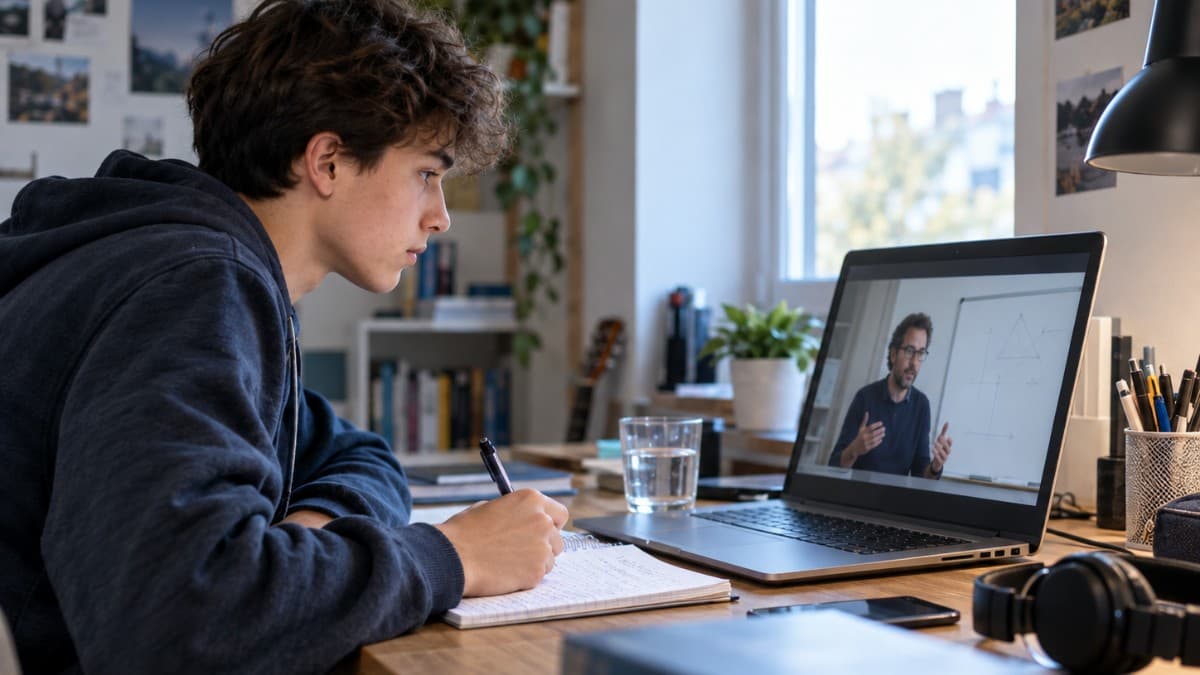
Watching a replay in full gives a sense of familiarity without checking that you can redo the reasoning. A more effective 20-minute revision: try to remember, rewatch only the part that is blocking you, then redo the task and test your understanding on a similar question.
Pierre Basile·23 October 2026·9 min read
Methods and revision
AI can help a student by rephrasing instructions, explaining a concept or offering a hint, but the student must remain the author of their work and be able to redo it without the tool. The deciding test is simple: what can the student still explain and do once the screen is closed?
Pierre Basile·23 October 2026·13 min read
Private tutoring
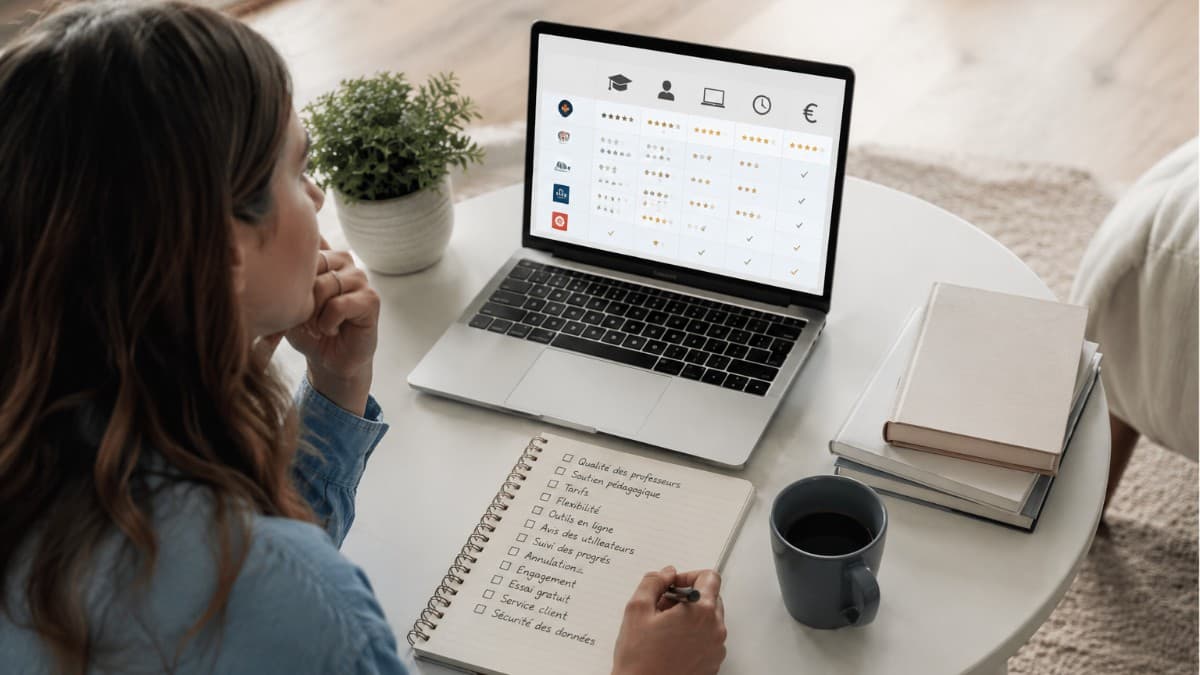
To choose a private tutoring platform, assess 12 key criteria: catalogue model (marketplace or selection), guidance, profile verification, precision of profiles, final price, commitment, session tools, technical reliability, preparation, follow-up after the session, parental oversight and support. These factors determine the quality of the service beyond the hourly rate displayed.
Pierre Basile·23 October 2026·14 min read
Methods and revision
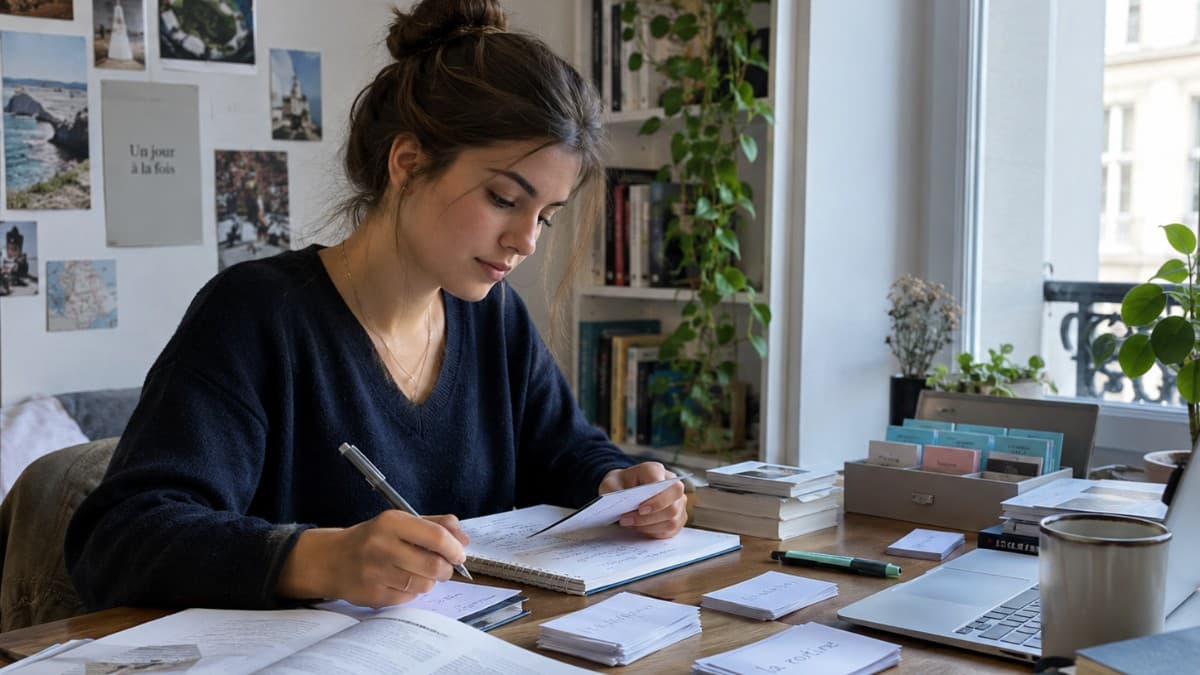
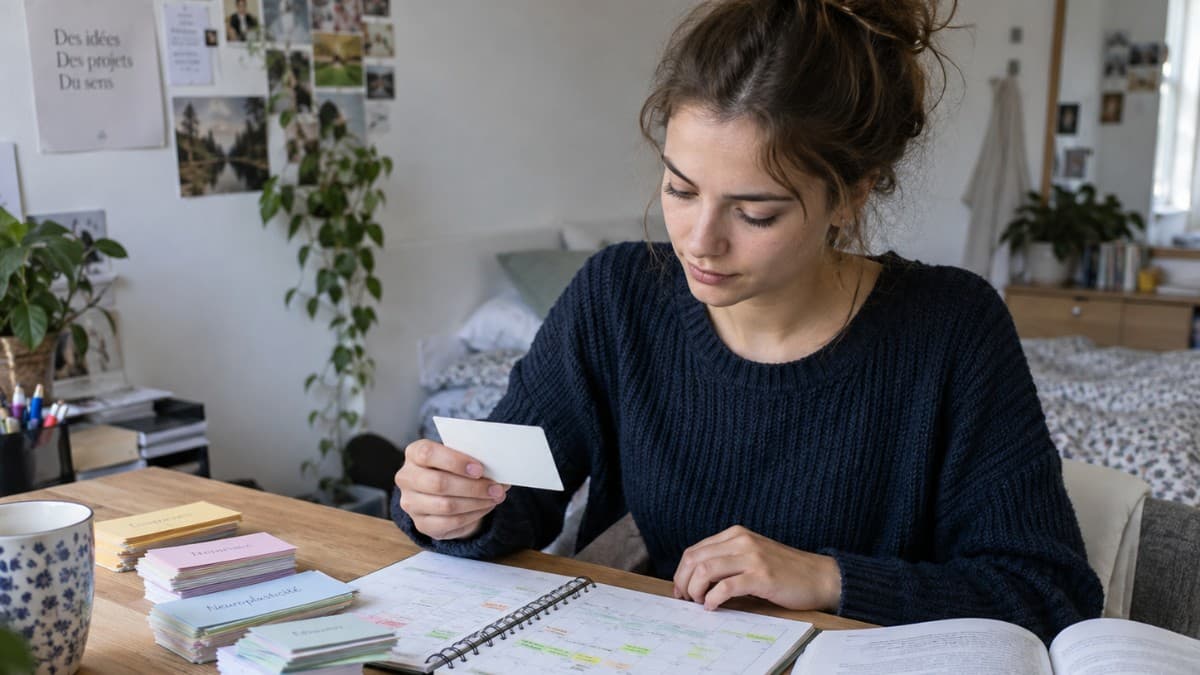
A flashcard is useful when it asks a precise question, when the student looks for the answer before checking it and when the cards are reviewed at spaced intervals. Stick to one idea per card and vary the types: definitions, distinctions, examples and common mistakes. For complex skills, flashcards remain a complement to practice, not a substitute for it.
Pierre Basile·23 October 2026·11 min read
Methods and revision
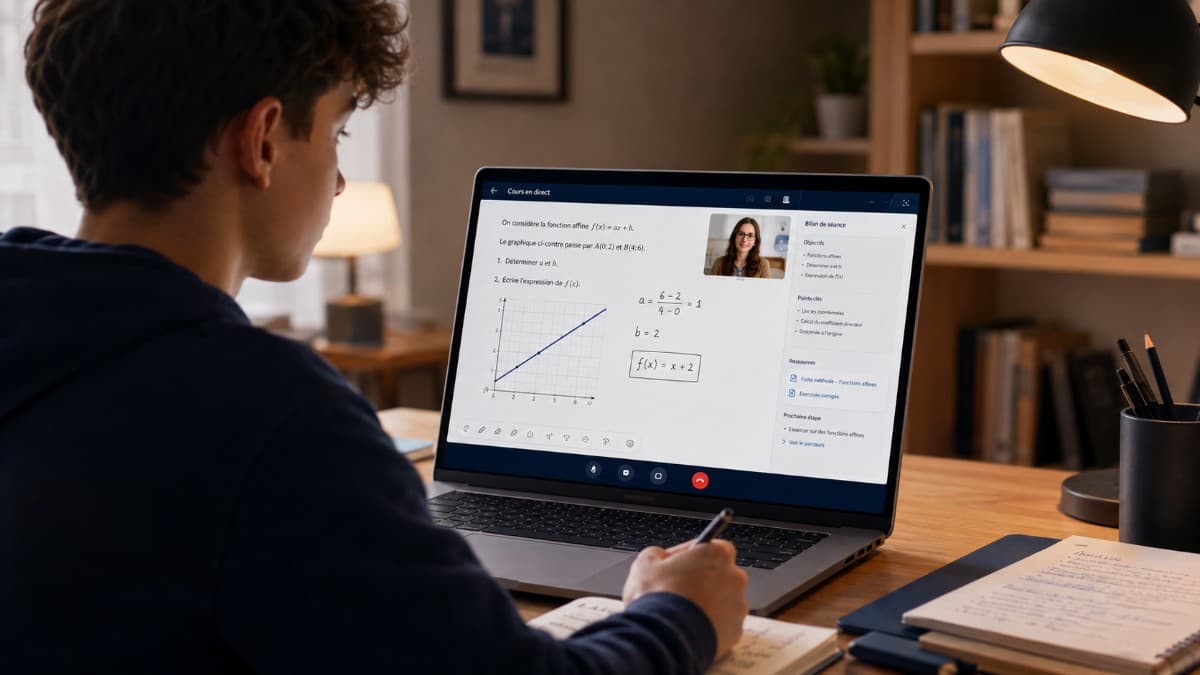
To stay focused in an online tutoring session, you need to reduce competing demands and make the student active: writing, solving, explaining or answering a question. Prepare a dedicated workspace, turn off notifications, keep only the tabs you need and alternate the types of task. The aim is to observe concrete signs of switching off rather than judging the student as “not very focused”.
Pierre Basile·23 October 2026·10 min read
Methods and revision
After a session, choose one priority concept, write a short revision sheet, then test yourself with flashcards and a quiz before redoing a new exercise. This 15- to 30-minute routine combines retrieval from memory and spaced practice, two recognised learning techniques.
Pierre Basile·23 October 2026·11 min read
Private tutoring
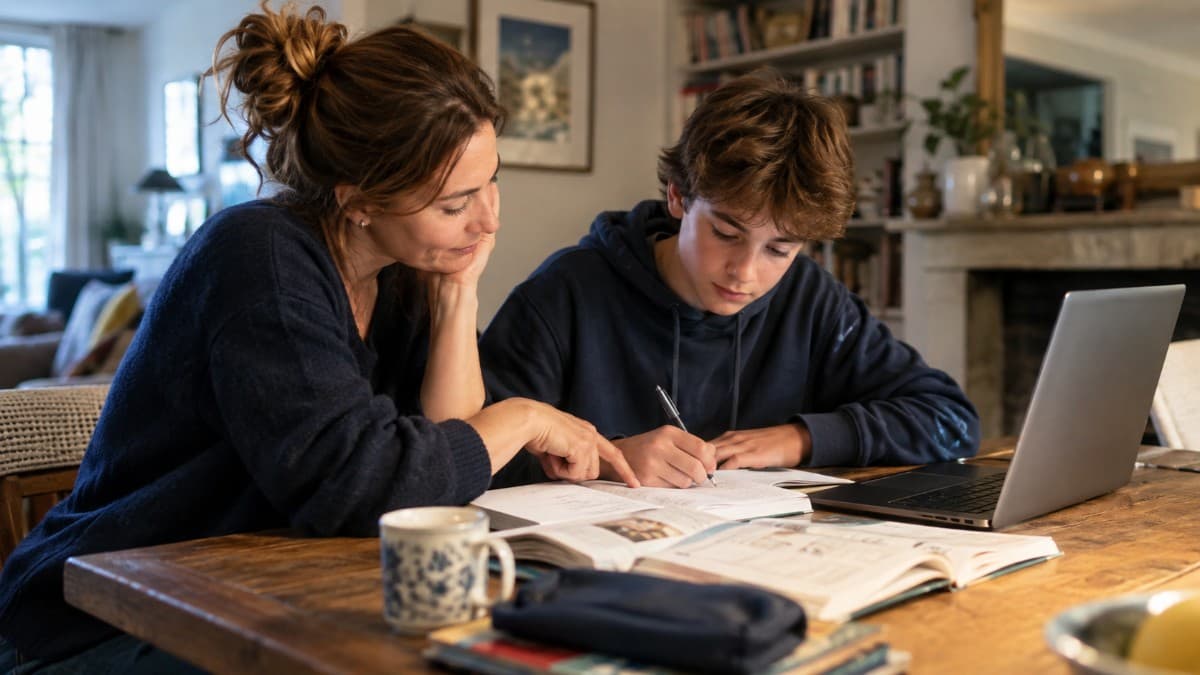
The choice between online and home tutoring depends on the environment, the student’s independence and their learning needs. The tutor’s quality, interaction and regularity matter more than the format. Studies show similar academic gains, but in-person tutoring can encourage attendance and the relationship with the tutor.
Pierre Basile·23 October 2026·11 min read
Methods and revision
Spaced repetition means reviewing a piece of knowledge several times, leaving time between each review, rather than concentrating everything into a single session. There is no universal schedule: intervals should be adapted to the deadline, the content and the difficulty encountered. A simple rule: no answer, come back soon; a hesitant answer, a moderate delay; a precise answer, space it out further.
Pierre Basile·23 October 2026·10 min read
Tutors
To give private tutoring sessions online, a tutor needs five key tools: a stable video call (Google Meet, Zoom), an interactive whiteboard (Whiteboard.fi, Miro), a document-sharing system (Google Drive), a reliable schedule (Google Calendar) and a messaging tool for follow-up. The choice depends on the subject and the number of students, with simplicity and less friction as priorities.
Pierre Basile·23 October 2026·12 min read
Private tutoring
Effective online private tutoring relies on a well-matched tutor, interactive sessions and personalised follow-up. It suits students looking to fill gaps, prepare for exams or work on their method, provided they take an active part. Remote learning offers geographical flexibility but requires independence and good technical conditions.
Pierre Basile·23 October 2026·16 min read
Methods and revision
An end-of-session quiz checks immediate understanding, but passing it does not prove that the student will be able to reuse the concept later. To reveal the real gaps, you also need to test the student after an interval (the next day or a few days later), without notes, then check the shaky points before the next session.
Pierre Basile·23 October 2026·13 min read
Private tutoring
The minimum equipment comes down to a computer or tablet, clear sound, a stable connection and a way to show your reasoning. For writing maths, a tablet with a stylus or filmed paper are the most natural options. A smartphone can act as a second camera to show the test paper.
Pierre Basile·23 October 2026·10 min read
Private tutoring
An organisation built on Zoom and WhatsApp can be enough for a few sessions, but the hidden cost (time spent finding links, checking payments, passing on information) grows with the number of sessions. A centralised platform becomes useful when it removes this handling by bringing scheduling, documents, video calls and follow-up together in one space. The deciding criterion is not the number of features, but genuine continuity between sessions.
Pierre Basile·23 October 2026·16 min read
Methods and revision
A private tutoring session replay is not something to watch passively: it is for finding a specific explanation again. To make progress, you locate the useful passage, pause before the solution and try to redo the reasoning alone. It complements notes and exercises; it does not replace them.
Pierre Basile·23 October 2026·8 min read
Private tutoring
A student’s progress is not measured by their marks alone. You need to track over time their understanding, their independence, their recurring errors, their consistency and their ability to succeed at comparable tasks with less and less help.
Pierre Basile·23 October 2026·13 min read